Site safety and stabilization first
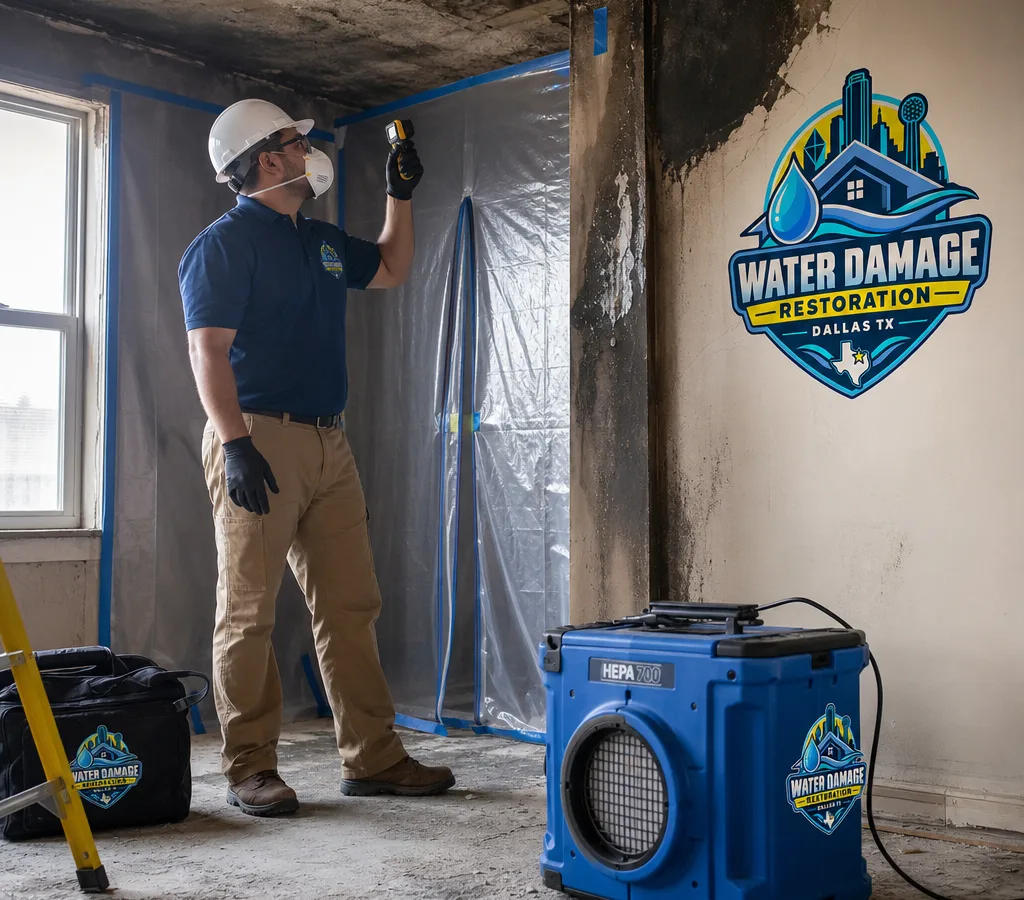
We start by checking structural concerns, utilities, and hazardous debris. Boarding up, temporary weather protection, and controlled access reduce secondary damage while the next steps are scheduled.
Serving Dallas, Texas & surrounding areas
24/7 Emergency Response
Fire Restoration · Dallas, TX
Fast, careful cleanup after a fire: stabilize the structure, remove smoke and soot, document the loss, and rebuild to a safe, code-ready finish.
Complete Loss Recovery
If you are searching for fire damage restoration Dallas Texas, you likely need two things right away: a team that can make the property safe, and a plan that gets you back to normal without missed steps. Fire damage is not only what burned. Heat can weaken framing, smoke can travel through HVAC and wall cavities, and soot residue can keep corroding metals and staining surfaces long after the flames are out.
Our fire damage restoration work in Dallas focuses on the full chain of recovery: emergency stabilization, soot and smoke cleanup, odor control, selective demolition, drying where water was used to extinguish the fire, and rebuilding. We coordinate around the realities of Dallas properties, whether that is a high-rise condo near Downtown where access and elevator protection matter, a single-family home where smoke moved through attic and return-air paths, or a small business where downtime and inventory handling drive decisions.
Water Damage Restoration Dallas TX provides documented, step-by-step restoration so you can make insurance and repair decisions with clear information, not guesses. If you are also dealing with water from suppression efforts, our team handles that as part of the same fire loss so materials dry correctly before anything is closed back in.
From Stabilization to Rebuild
We start by checking structural concerns, utilities, and hazardous debris. Boarding up, temporary weather protection, and controlled access reduce secondary damage while the next steps are scheduled.
Dry soot removal, HEPA filtration, and controlled cleaning keep particles from spreading. We select cleaning methods based on the surface, the soot type, and how long residues have been sitting.
Smoke odor lives in porous materials and hidden cavities. We combine removal of unsalvageable materials with proven deodorization methods after cleaning, not as a cover-up.
Fire restoration is not finished until the repairs are safe and build back correctly. We plan for insulation, drywall, cabinets, trim, paint, flooring, and final detailing based on what the loss actually requires.
We document conditions and the work plan so you can communicate clearly with your adjuster, property manager, or other stakeholders and keep the project moving.
We plan for parking, high-rise access rules, and tight commercial spaces. That includes protecting common areas and setting up containment to keep neighboring units cleaner.
Cleanup Before Construction
A good rebuild still fails if smoke and soot are left behind. Ductwork, insulation, framing, and the top side of ceilings can hold odor and residue that reappears after the space is repainted. In Dallas fire damage restoration, we treat cleanup and reconstruction as one project with clear checkpoints.
Common steps we evaluate early:
In neighborhoods with dense housing and shared walls like Uptown and parts of Oak Lawn, smoke migration can affect adjacent units and common hallways, so containment and air filtration become a priority. In areas with older housing stock such as parts of East Dallas, we pay close attention to layered materials and hidden cavities that can hold odor.
Our local team and service approach begin with an on-site inspection and a clear plan for safe cleanup and reconstruction.
Assess, Clean, Restore
A controlled recovery sequence protects the structure, limits cross-contamination, addresses hidden residue, and verifies conditions before reconstruction.
We assess structural stability, utilities, and the scope of fire, smoke, and water impact. If needed, we secure openings, isolate affected areas, and set expectations for what must happen before rebuild work can start.
We document affected rooms, materials, and contents handling needs. You get a written plan that separates cleaning, demolition, drying, and reconstruction so decisions are easier to approve and track.
We remove unsalvageable drywall, insulation, flooring, or cabinetry in a controlled way so soot is not redistributed. Salvageable structural components are prepared for cleaning and sealing as needed.
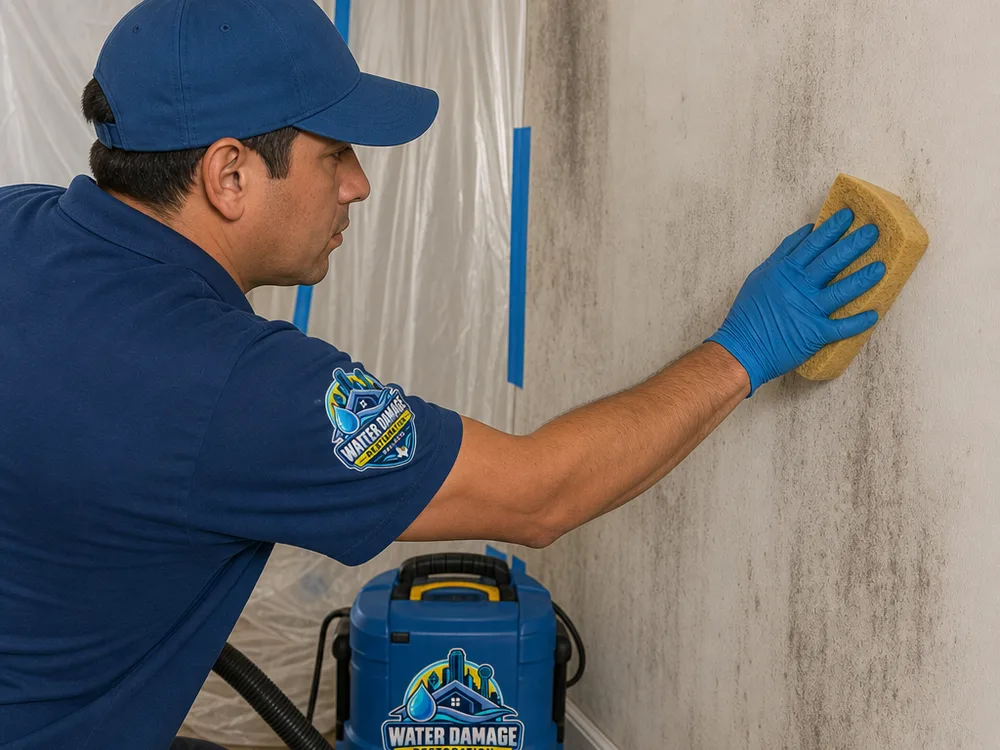
We use HEPA filtration, negative air when appropriate, and surface-specific cleaning methods. The goal is to remove residues, not smear them, and to reduce airborne particulate that can settle in clean areas.
After cleaning and drying, we apply deodorization methods appropriate to the materials and loss type. We verify results before closing walls or reinstalling finishes, because odor is far harder to correct after rebuild.
We restore the affected areas with a focus on safe, durable repairs. At completion, we walk the space with you and confirm the scope items are finished and ready for normal use.
Dallas Restoration Cost
Fire damage restoration in Dallas typically ranges from about $3,000 to $12,000 for a smaller, contained loss, while larger fires with extensive demolition, smoke migration, and full rebuilds can run $25,000 to $100,000+ depending on the structure and finishes. Smoke-only cleanup with limited removal is usually on the lower end; structural repairs, cabinet replacement, and multi-room odor treatment push costs higher.
Final price depends on how far smoke traveled, including HVAC, what materials are salvageable, how much water damage occurred during extinguishing, access constraints such as condos and commercial spaces, and the rebuild scope you choose. Exact costs are confirmed after an on-site inspection and a written scope.
Customer Experience
“The biggest help was having a clear plan. They secured the openings, handled the soot cleanup without spreading it through the house, and the smoke smell was gone before the rebuild started.”
Megan T.
“Our condo rules made scheduling and containment tricky. Their crew protected the elevator path, kept the work area sealed, and documented everything for the adjuster.”
Carlos R.
“We thought the fire damage was only in one room, but the smoke got into the returns. They addressed the HVAC impact early and it saved us from redoing finishes later.”
Jasmine L.
Practical Answers
Start time depends on access and safety conditions, but many fire losses begin with a same-day or next-day inspection to secure the property and prevent secondary damage. The first visit focuses on safety, documentation, and an initial work plan, then cleaning and demolition are scheduled based on what the structure and contents require.
Do not turn utilities back on or run HVAC equipment until the space is inspected, because soot and heat damage can create electrical and air-quality risks. If it is safe, keep the affected area closed off, avoid wiping soot because it can smear, and take a few photos for your records. If you need to enter, wear a mask and limit time inside.
Smoke odor can be removed when the source is removed and the remaining surfaces are cleaned and treated in the right order. Odor commonly returns when soot remains in porous materials, insulation, or hidden cavities, or when deodorizing happens before thorough cleaning. We verify odor control before rebuild finishes go in.
It depends on the area affected, the level of soot, and whether containment can keep air safe in occupied zones. Many projects can be staged so unaffected rooms remain usable, but heavy soot, strong odor, or extensive demolition often makes temporary relocation the safer choice, especially for children, older adults, or anyone with respiratory conditions.
Many homeowners and commercial policies cover fire and smoke damage, but coverage depends on your policy terms, deductibles, and what caused the loss. We provide documentation and a clear scope that helps you and your adjuster evaluate cleaning versus replacement, water damage from suppression, and the rebuild requirements.
When water is part of the loss, restoration includes drying and moisture control before repairs, because wet materials can trap odor and create additional damage. We evaluate what can be dried and cleaned versus what must be removed, then coordinate drying, soot cleanup, and deodorization so each step supports the next.
A small, contained fire with limited rebuild can take days to a couple of weeks, while multi-room smoke migration and reconstruction often takes several weeks or longer. Timelines change most with permitting needs, custom materials, access constraints such as condos, and how much demolition and drying is required before rebuild work can start.
Start With a Safe Plan
Tell us what happened and what areas were affected. We will inspect the damage, explain the next safe steps, and provide a written scope for cleanup, smoke removal, and restoration.