Emergency stabilization and safety
Board-up and temporary weather protection when needed, controlled access, and hazard awareness for compromised framing, damaged electrical, and sharp debris.
Serving Dallas, Texas & surrounding areas
24/7 Emergency Response
Fire Restoration · Dallas, TX
After a fire, you need a crew that can stabilize the structure, remove smoke and soot safely, and put the building back together with a clear scope and timeline.
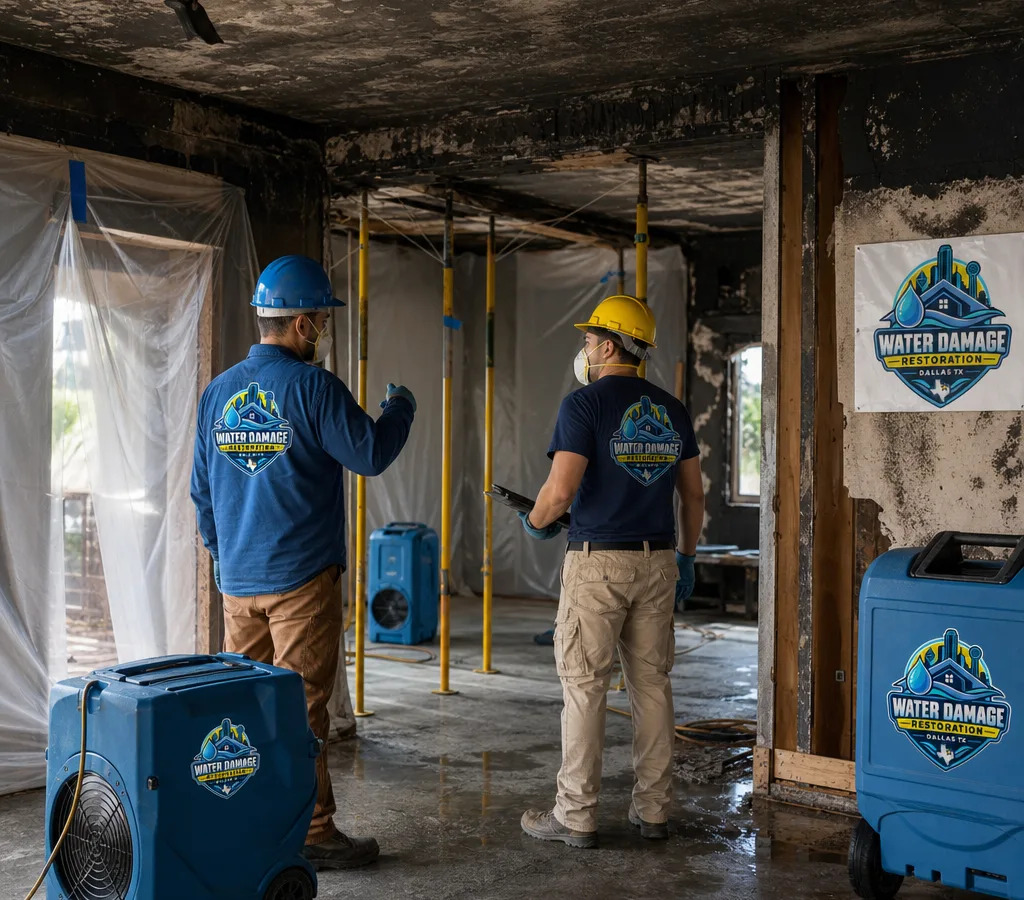
If you are searching for fire restoration Dallas TX, you are probably dealing with more than charred materials. Smoke moves through wall cavities, insulation, and HVAC returns. Soot can corrode metals and stain plastics and finishes. Water used to put the fire out can soak framing, drywall, flooring, and contents.
Our Dallas fire restoration team focuses on the essentials first: make the property safe to enter, prevent additional damage, document what happened, and build a repair plan you can actually follow. We work in occupied homes when it is safe, and we can also help you set up containment and temporary protections when the space is not livable.
In Dallas, fire losses can happen in condos and apartments near Downtown and Uptown, older bungalows and pier-and-beam homes in areas like Oak Cliff, and newer builds across North Dallas. Construction types vary, but the priorities do not: protect the structure, remove smoke residue correctly, and rebuild to a clean, finished result.
Cleanup Through Reconstruction
Board-up and temporary weather protection when needed, controlled access, and hazard awareness for compromised framing, damaged electrical, and sharp debris.
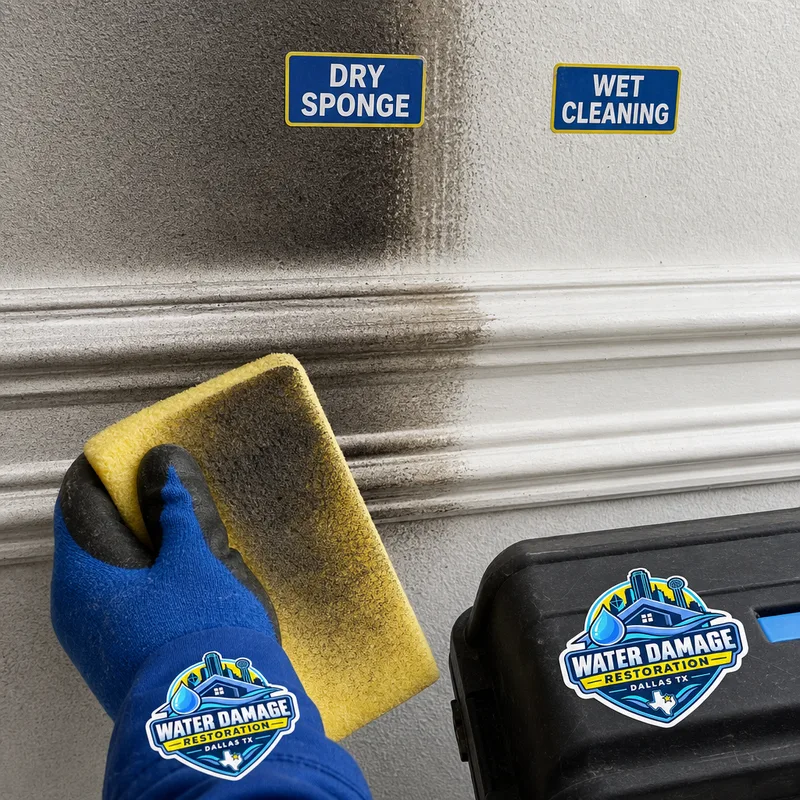
Dry cleaning and wet cleaning methods matched to the residue type and surface, with careful attention to porous materials, unfinished wood, and painted drywall.
A plan that starts with removal of the source—soot and char—and then uses proven deodorization methods such as hydroxyl or ozone only when conditions are appropriate.
Removal of unsalvageable drywall, insulation, cabinets, flooring, and trim so hidden soot and heat damage are not sealed into the rebuild.
Targeted drying after suppression water, including moisture checks in framing and subfloors so repairs do not trap moisture behind new materials.
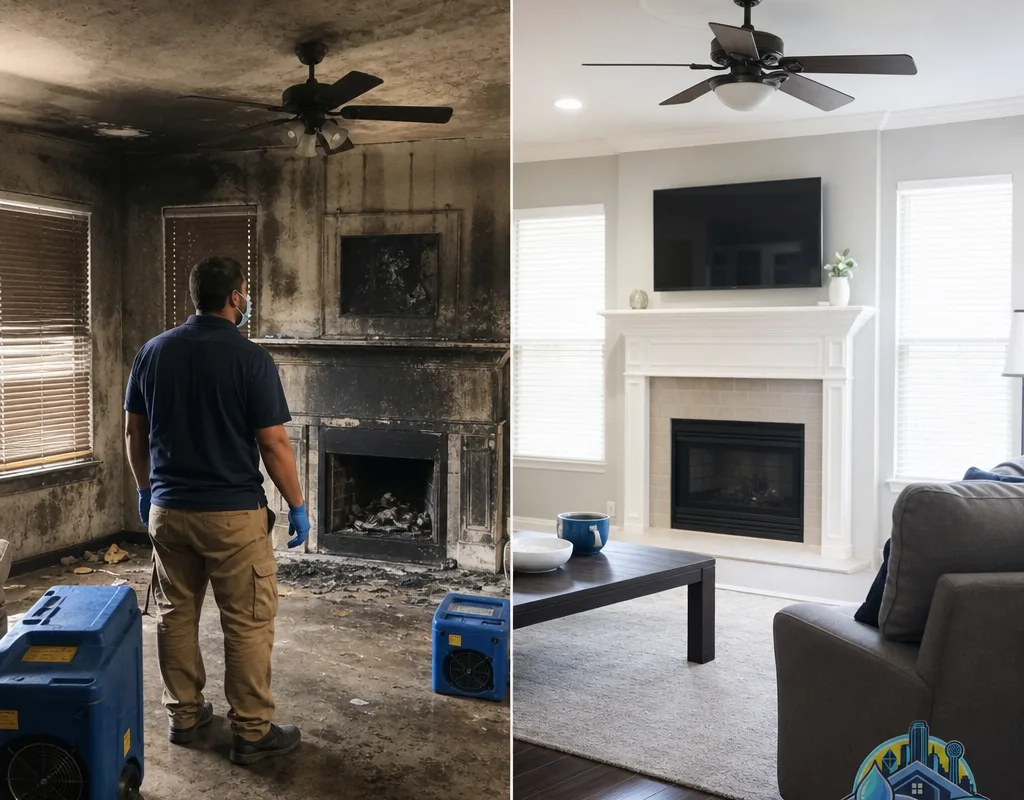
Drywall, paint, trim, flooring, cabinets, and finish repairs that bring the space back to pre-loss condition—or better—with a written scope.
Residue-Specific Cleaning
Fire damage is a mix of chemistry and construction.
Soot is not all the same. A fast, high-oxygen fire often leaves a dry residue, while a low-oxygen fire can create oily soot that smears and is harder to remove. Certain plastics can produce heavier residues. Using the wrong method can spread staining, drive odor deeper, or damage finishes.
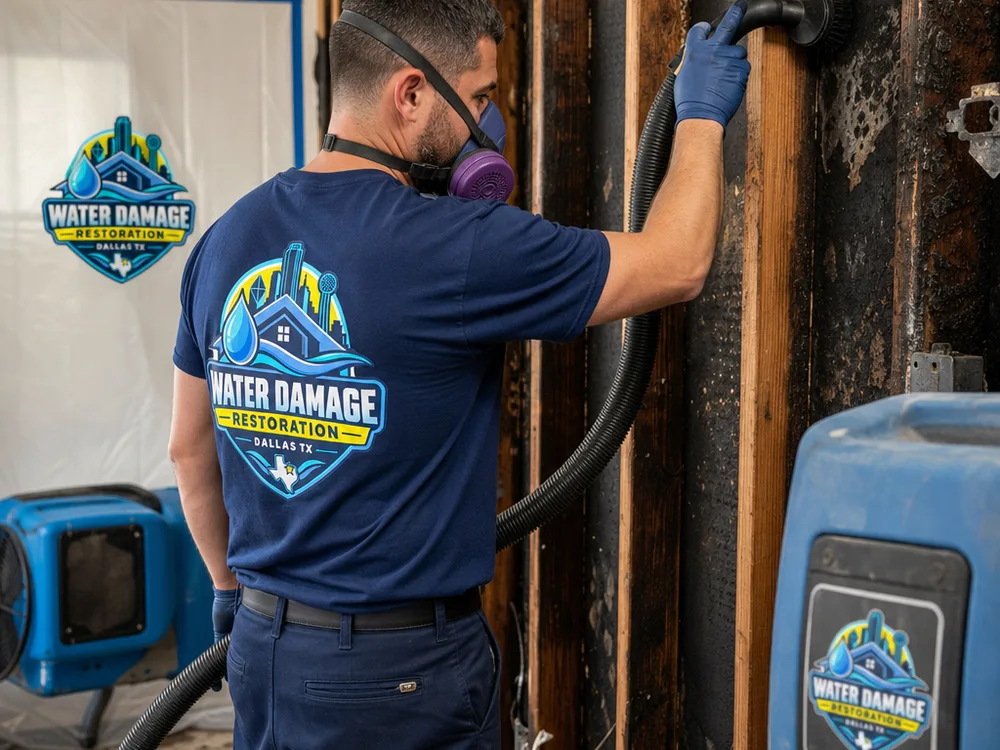
We start with a careful inspection of the burn pattern, residue type, and affected pathways such as the attic, wall cavities, and duct chases. We set containment when needed to keep soot from migrating into clean areas. Then we choose cleaning methods by surface: HEPA vacuuming, dry sponges, alkaline or solvent-based cleaners where appropriate, and detailed wipe-downs for framing and structural components.
When rebuilding, we do not cover up contamination. If insulation, drywall, or cabinets are impacted beyond practical restoration, we remove them so the final space is clean and odor-free. If the property also has water impact from firefighting efforts, an overall assessment can coordinate the drying and repair plan under one scope.
Stabilize, Clean, Rebuild
The work follows a controlled sequence from immediate safety planning through cleanup, drying, reconstruction, and final verification.
We identify hazards that affect entry and work sequencing, including unstable materials, damaged electrical, and heavy soot in air pathways. If access needs to be controlled, we set up basic protections first.
We document affected areas, note what can be cleaned versus removed, and outline the steps required to return the property to a finished condition. You get a clear scope before major work begins.
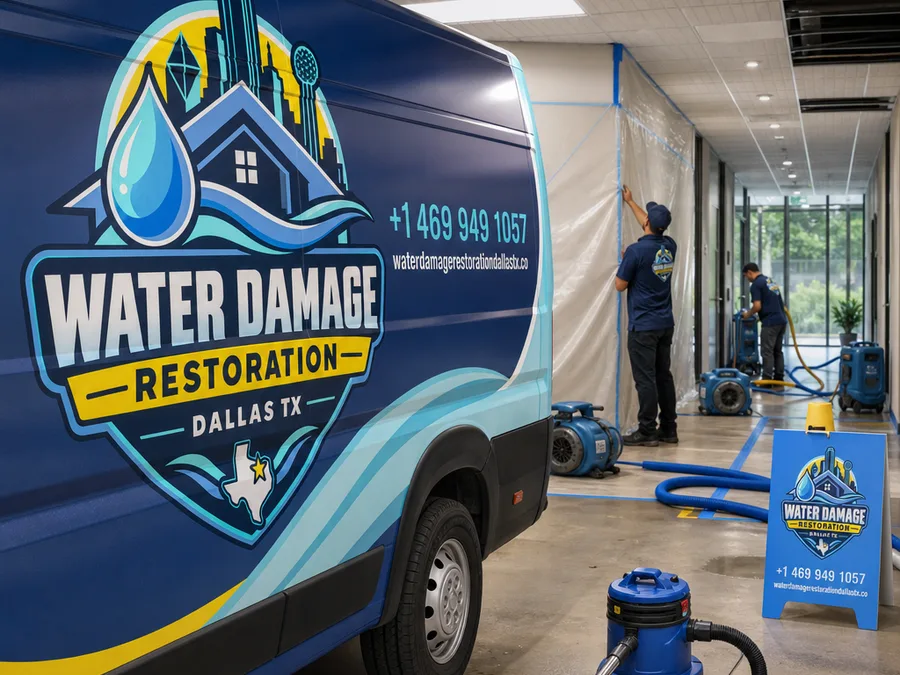
When soot is present, we use containment and HEPA filtration to limit cross-contamination, especially in occupied parts of the home or in multi-unit buildings.
We remove residues from structural surfaces and finishes using the correct cleaners and techniques, then address odor at the source so deodorization is not used as a cover-up.
We monitor moisture content and dry materials that can be saved, which helps avoid swelling, warping, and microbial growth during the rebuild phase.
We complete reconstruction and finishing work, then verify that the space is clean and the scope is complete before closing out the job.
From Containment to Finish
Dallas Restoration Cost
Fire restoration in Dallas typically ranges from about $3,000 to $12,000 for smaller, contained losses, while larger multi-room fire and smoke damage with demolition and rebuild can run $15,000 to $75,000+ depending on structural impact and finishes. Smoke-only cleanup with limited repairs is usually on the lower end, and projects involving cabinets, flooring, electrical, or HVAC components move higher.
Final price depends on the affected square footage, soot type and penetration, how much material must be removed, access such as multi-story or multi-unit properties, and the rebuild scope you choose. The exact cost is confirmed after an on-site inspection and a written scope of work.
Customer Experience
“They explained what could be cleaned and what had to be removed, then stuck to the plan. The soot smell was gone after the cleanup, and the repairs brought the rooms back to normal.”
Alyssa P.
“We had smoke damage that spread farther than we realized. The containment made a big difference, and the final walkthrough caught small items before they turned into delays.”
Mark D.
Practical Answers
Most fire restoration Dallas jobs can start quickly once the property is safe to enter and you approve the initial scope, with the first visit focused on stabilization, documentation, and containment planning. Timing depends on access approvals, especially in multi-unit buildings, the extent of demolition required, and whether power needs to remain off until electrical is evaluated.
Smoke odor can be removed long-term when the soot and char sources are fully addressed, not just masked. The durable approach is to remove unsalvageable porous materials, clean residues from framing and surfaces, and then use deodorization tools as a finishing step after the source is gone.
Soot cleanup focuses on removing residues and odor from surfaces, while full Dallas fire restoration includes demolition where needed plus reconstruction to restore drywall, trim, flooring, cabinets, and other building materials. Many projects start as cleanup but become full restoration once hidden soot in wall cavities or heat-damaged materials are identified.
You may be able to stay if the affected area can be contained, utilities are safe, and air quality can be controlled, but it depends on how much of the home is impacted. If the kitchen, primary bedroom, or HVAC pathways are involved, temporary relocation often makes the work faster and helps avoid soot spreading into clean areas.
Yes, we can provide photos, moisture readings when applicable, and a written scope that makes it easier to review the loss. You still stay in control of decisions about what gets replaced versus restored, and we can walk through options if the scope changes once demolition reveals hidden damage.
Light surface dusting in unaffected areas can be fine, but scrubbing soot often smears it and can permanently stain paint, porous grout, or unfinished wood. If you need to do anything immediately, focus on ventilation where safe, keeping doors closed to affected rooms, and avoiding disturbing soot until a professional assessment sets the right cleaning method.
Inspect Before Repairs Begin
Tell us what happened and what areas are affected. We will inspect the damage, explain what can be restored versus replaced, and provide a written scope you can use to move forward with confidence.