
Targeted visual inspection
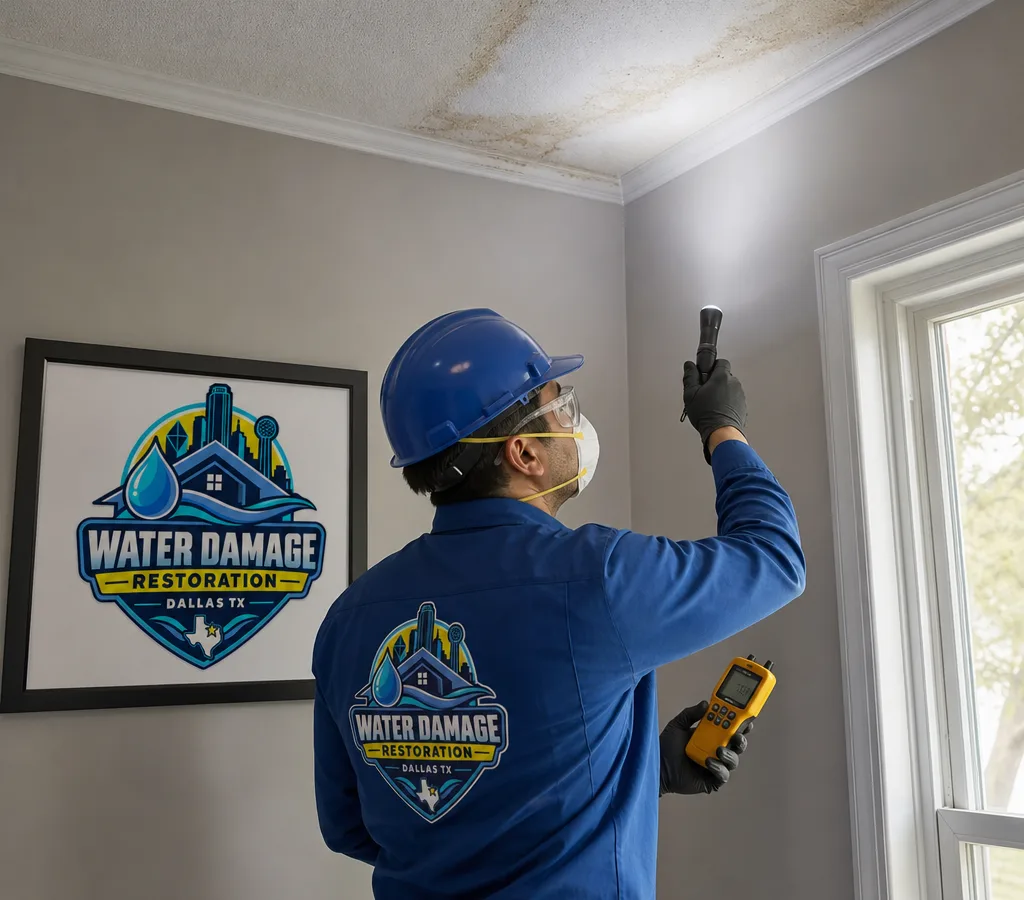
We check the areas that most often support growth: around plumbing penetrations, under sinks, behind toilets, at window sills, along baseboards, and near HVAC components where condensation can form.
Serving Dallas, Texas & surrounding areas
24/7 Emergency Response
Mold Inspection · Dallas, TX
Get a fast, clear assessment of suspected mold and a plain-language report you can use to plan next steps with confidence.
Start With Facts
If you are searching for mold inspection Dallas homeowners can trust, you probably have a reason: a musty odor that will not go away, visible spotting near a vent, recent water intrusion, or family members reacting in one specific room.
A good inspection does not guess. It confirms where moisture is present, what materials are affected, and whether what you see is likely mold growth or something else, such as dust, soot, or old water staining. Our team at Water Damage Restoration Dallas TX focuses on a practical outcome: a clear inspection report that tells you what we found, where we found it, and what the next step should be.
Dallas homes often see mold concerns where humidity and hidden condensation linger, especially around HVAC returns and supply registers, bathroom exhaust paths, attic penetrations, and plumbing wall cavities. Condos and multi-family buildings can add shared walls and common mechanical chases, while older homes may have past repairs and layered finishes that conceal slow leaks.
If you want a professional mold inspection Dallas residents can use as a first step, we can begin with a low-cost initial assessment to understand the concern and decide what level of inspection makes sense.
Inspection Deliverables
We check the areas that most often support growth: around plumbing penetrations, under sinks, behind toilets, at window sills, along baseboards, and near HVAC components where condensation can form.
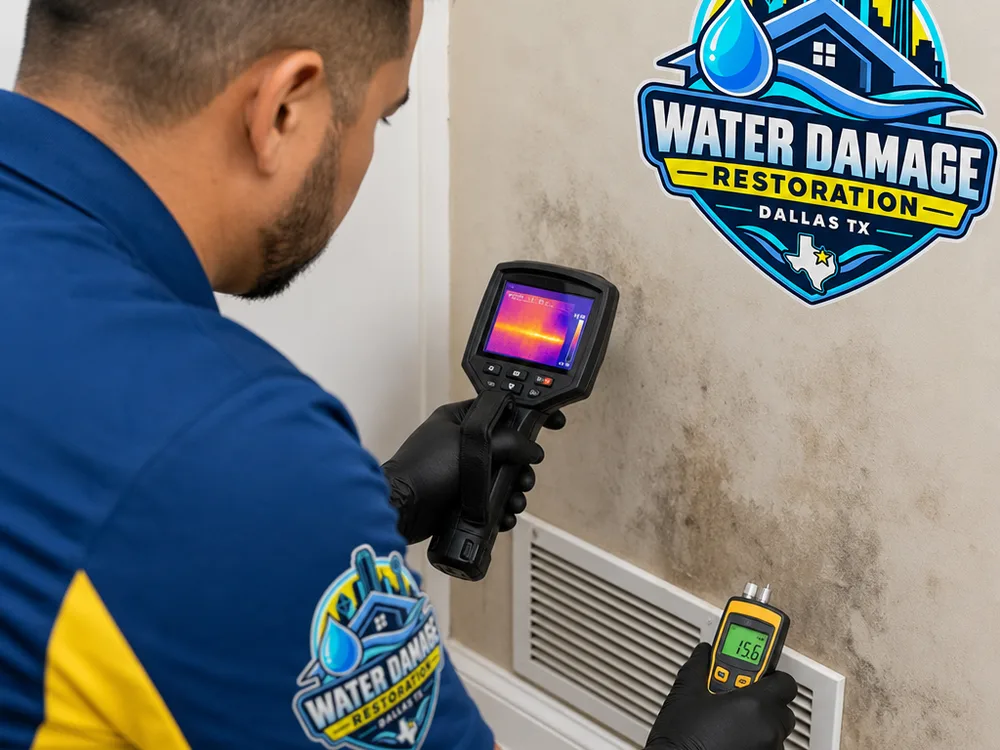
Moisture meters and thermal imaging help locate damp building materials that look dry on the surface. Finding the moisture source matters as much as finding the staining.
You receive a straightforward summary of findings, the rooms and materials involved, and recommended next actions. It is written for homeowners and property managers, not just contractors.
Some situations need a focused check of one room. Others need a wider look across adjacent spaces, attics, or crawlspaces based on how air and moisture move through the home.
If remediation is needed, we explain containment basics, what should be removed versus cleaned, and how to keep spores from spreading during work.
Tracing Hidden Moisture
Mold needs moisture. The inspection is about tracing how that moisture is getting in, how long it has likely been present, and which materials are vulnerable.
Common Dallas problem areas we evaluate:
Dallas cooling seasons make air conditioning work hard. Condensation risks can increase when insulation is missing, ductwork sweats, or exhaust air is routed incorrectly. We look for these building conditions so the recommendation addresses more than the visible spot.
If your concern started after a leak or water event, drying and verification are often the difference between a one-time cleanup and recurring growth.
Inspect, Map, Explain
The inspection moves from the visible concern to moisture conditions, documented findings, and a practical plan for what happens next.
We narrow the concern by reviewing where you noticed odor or staining, recent plumbing or roof issues, and whether symptoms are tied to a room or time of day. We then examine accessible surfaces and common moisture zones.
Moisture readings and thermal scanning help identify hidden dampness behind finishes or beneath flooring, defining the likely boundary of affected materials without relying on guesswork.
We explain what appears active versus historic and identify the conditions feeding the issue, including leaks, condensation, ventilation, or drainage problems that must be corrected.
We document locations, observations, and recommended actions in a clear report. If remediation is appropriate, the next-step guidance can include containment, removal versus cleaning, and scheduling options.
Dallas Inspection Cost
Mold inspection in Dallas typically ranges from about $150 to $550 for a standard home, depending on the size of the property, how many areas need to be checked, and whether sampling is requested. A focused inspection for a single room is often on the low end, while larger homes or multi-area investigations involving attics, bathrooms, or multiple HVAC zones trend higher.
Price changes with access, including tight crawlspaces and high ceilings, how much moisture mapping is needed, and the complexity of the suspected source. The exact cost is confirmed after the initial assessment and the on-site inspection scope is agreed.
Customer Experience
“We had a musty smell in the hallway and couldn't figure out where it was coming from. The inspection found moisture behind the baseboard near the AC return, and the report clearly explained what needed to be opened up and what didn't.”
J. R.
“I appreciated that they didn't jump straight to tearing things out. They checked the bathroom, attic access, and the adjacent closet, then walked me through the findings room by room.”
A. K.
Practical Answers
We offer a low-cost initial assessment in Dallas to understand your concern and determine the right inspection scope. If a full on-site inspection with moisture mapping and documentation is needed, we will explain what is included and confirm any costs before work begins.
Many inspections can be scheduled quickly, and the on-site portion is often completed in 1 to 2 hours for a typical home depending on how many areas are involved. If you are dealing with an active leak or damp materials, sooner is better because moisture conditions can change quickly under air conditioning.
Leave the suspect area as-is and avoid scrubbing or spraying chemicals on the spot, since that can hide patterns we use to trace the source. If possible, make the areas accessible by clearing under-sink cabinets, moving small furniture away from stained baseboards, and providing attic access when a roof or ventilation issue is suspected.
Yes, we can inspect individual units, including around HVAC closets, shared-wall plumbing areas, and windows where condensation tends to collect. For multi-family buildings, we also note signs that suggest a shared source so you have clear documentation for property management.
Sampling is not required for every situation, and a careful visual inspection paired with moisture mapping often answers the practical question of what materials are affected. If sampling is appropriate, we will explain what it can and cannot tell you before anything is collected.
If we confirm conditions consistent with mold growth, the next step is a contained plan to address both the moisture source and affected materials. We will outline what should be removed versus cleaned, how containment and filtration help limit spread, and what post-work verification should look like before the area is closed.
Know What Comes Next
Tell us what you are seeing or smelling and where it is happening. We will start with a low-cost initial assessment, then recommend the right level of mold inspection for your Dallas property.