Emergency water removal and stabilization
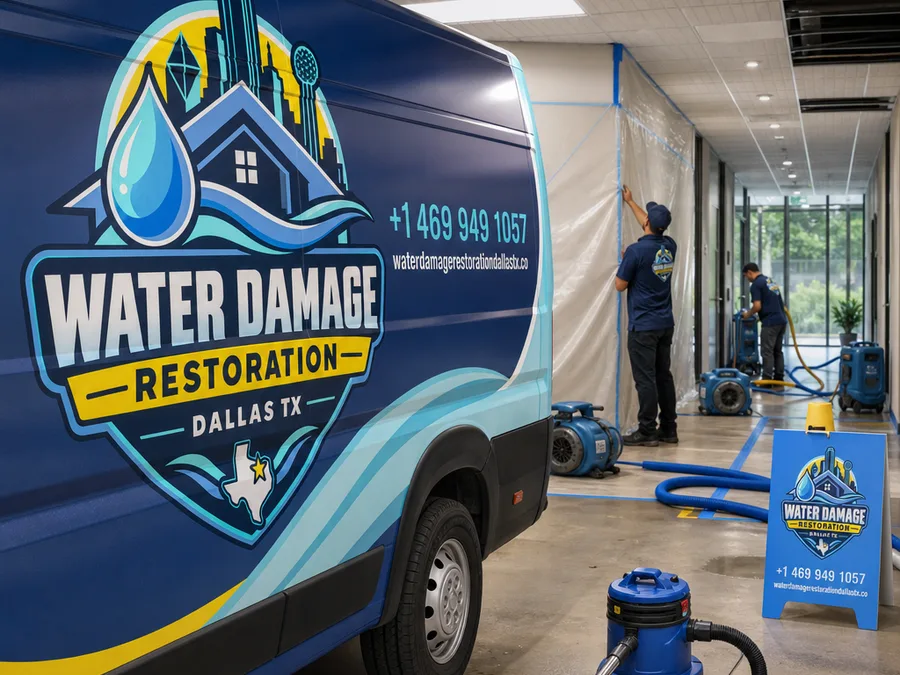
Extract standing water, protect flooring and contents where possible, and set up professional drying equipment sized to the affected area.
Serving Dallas, Texas & surrounding areas
24/7 Emergency Response
Water Damage Repair · Dallas, TX
Fast cleanup, careful drying, and durable repairs for leaks, floods, and sewer backups. Get a clear plan and documentation before any work starts.
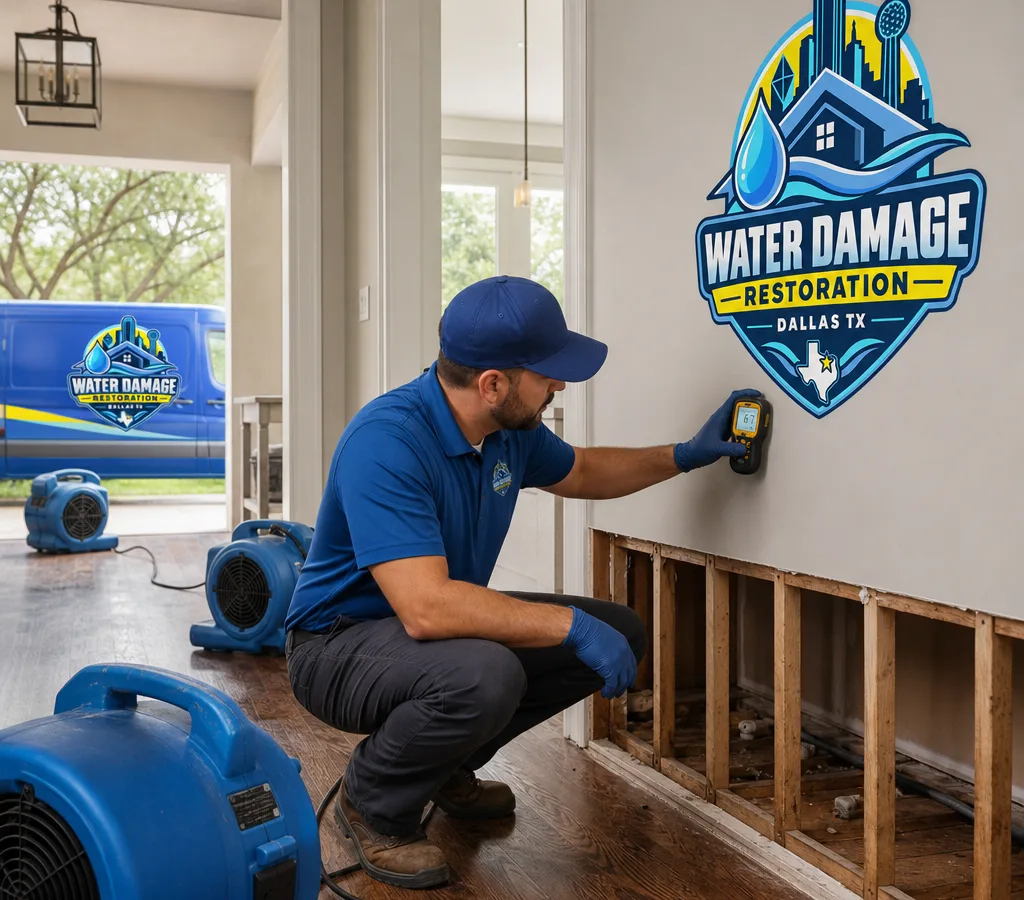
Local water damage repair starts by stopping the loss, tracing hidden moisture, and defining what can be dried versus what must be replaced.
Water damage rarely stays where it starts. It wicks into drywall, swells trim, loosens flooring, and can soak insulation and framing behind the wall. The first priority is controlling the source—whether it is a supply line leak, appliance failure, roof intrusion, HVAC condensate, overflow, or backup. We then map where the moisture traveled so the repair scope matches reality.
Water Damage Restoration Dallas TX handles water damage repair for houses, condos, apartments, and commercial spaces. The goal is to return the structure to a clean, dry, stable condition, then rebuild what was removed so the space is functional again. Moisture readings and drying progress help remove the guesswork.
Dallas properties vary by building type. Water can migrate between units in multi-family buildings, remain trapped beneath pier-and-beam homes, or quickly damage engineered flooring and tight wall assemblies. The right repair plan depends on the materials and where the water entered—not a one-size-fits-all checklist.
Cleanup Through Rebuild
Extract standing water, protect flooring and contents where possible, and set up professional drying equipment sized to the affected area.
Use moisture meters and thermal imaging as appropriate to identify wet building materials, then track drying with repeat readings.
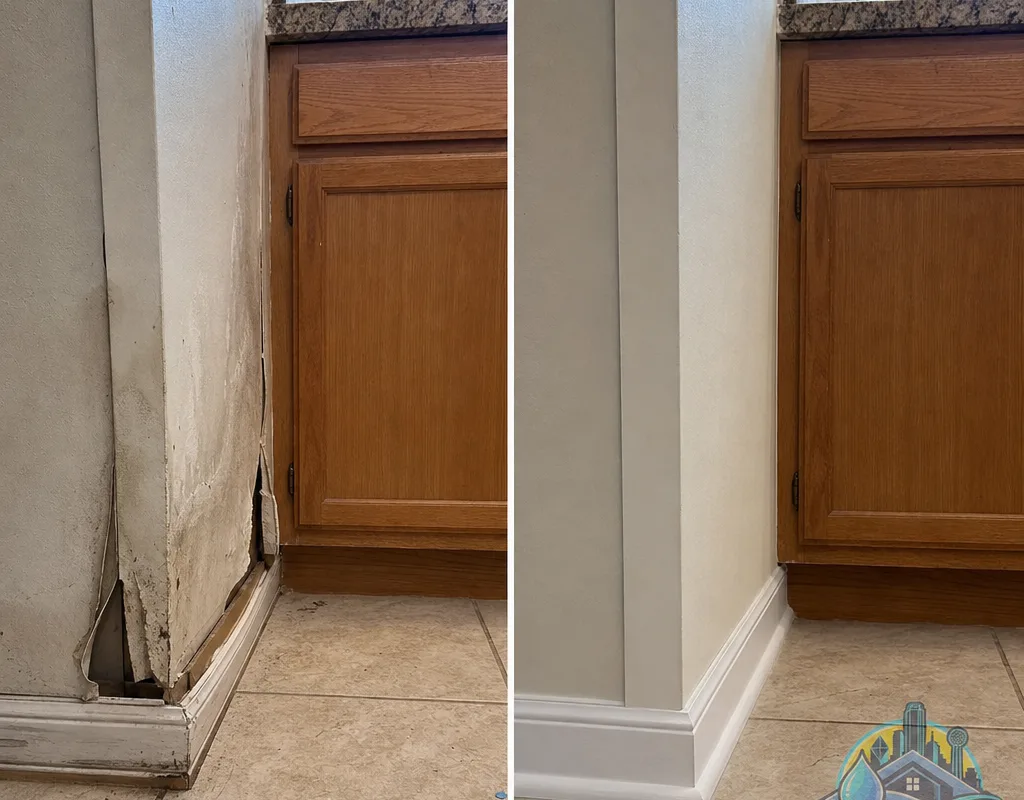
Remove only what cannot be dried safely, including saturated drywall, baseboards, insulation, or compromised flooring assemblies.
Cleaning methods depend on the source. A supply line leak is handled differently than a toilet overflow or sewage contamination.
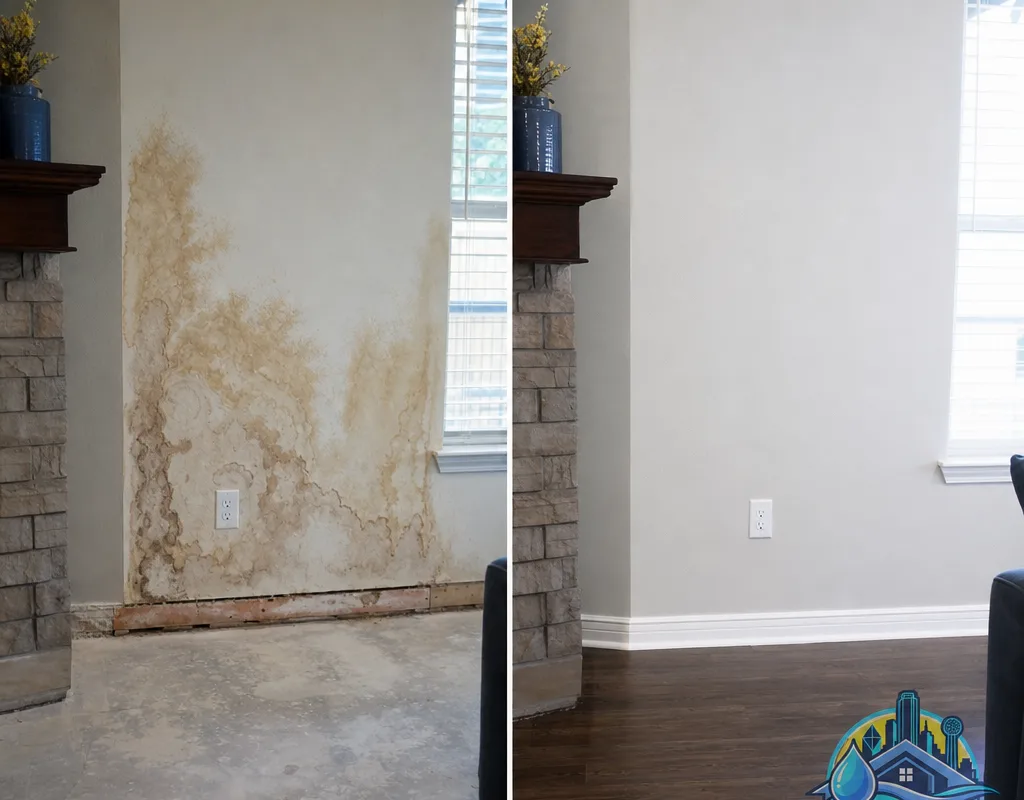
Drywall patching, texture matching, paint, trim replacement, flooring repair or replacement, and final detail work restore a finished look.
A written scope and photo documentation typically help when you are working with an adjuster or property manager.
Dry First, Repair Second
Fast water cleanup is only the start. If wet materials are covered too soon, trapped moisture can lead to swelling, odor, and future damage. We focus on drying targets and verification so repairs last.
What that looks like on a typical job:
Once the structure is dry and stable, repairs move faster and hold up better. The restoration process follows the same principle: stabilize first, then repair with a defined scope.
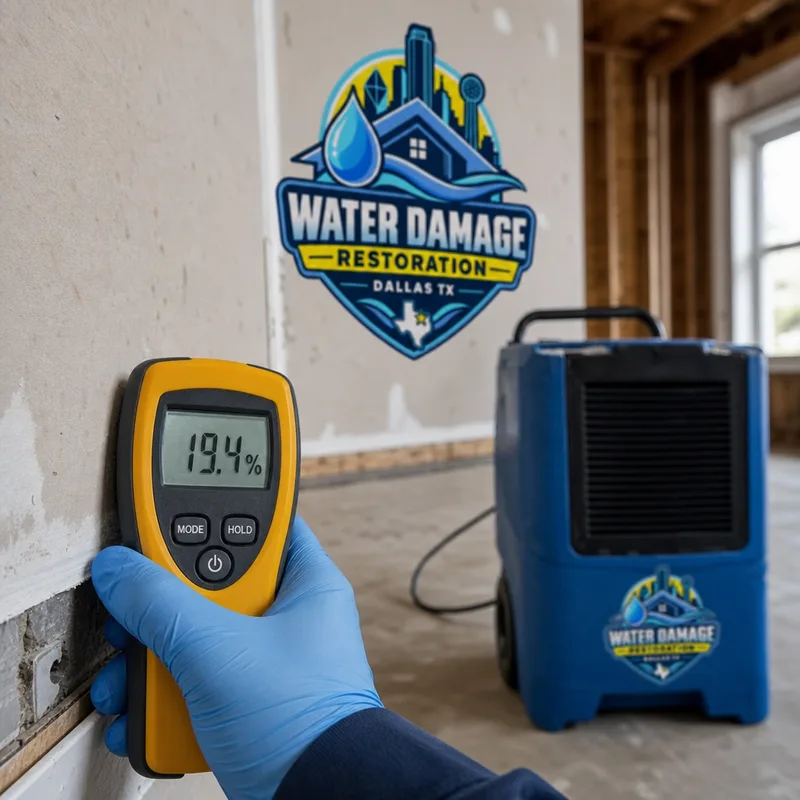
Assess, Extract, Dry, Verify
The response sequence controls immediate damage, documents drying, and verifies the structure before repairs close the area.
We identify the source and category of water, check for obvious electrical or ceiling hazards, and outline immediate steps to prevent additional damage.
We remove standing water and protect unaffected areas with containment when demolition, sanding, or drying airflow could spread debris.
Air movers and dehumidifiers are placed, monitored, and adjusted according to moisture readings, material type, and airflow patterns. Affected surfaces are cleaned based on the water category.
We confirm drying before completing drywall, trim, paint, and flooring repairs, matching existing finishes as closely as practical.
Dallas Repair Costs
Water damage repair in Dallas typically ranges from about $1,000 to $7,500+, depending on how much area is wet and what materials must be removed and rebuilt. A small, contained leak with limited drywall and baseboard repairs often sits at the low end, while multi-room losses, cabinet involvement, or flooring replacement can push costs higher.
Final pricing depends on water category, how long materials stayed wet, equipment days for drying, access requirements, and the finish work needed to match texture, paint, and flooring. Exact cost is confirmed after an on-site inspection and moisture mapping.
Customer Experience
“A supply line leaked while we were away and soaked the hallway and a bedroom. They explained what had to be removed, showed the moisture readings each visit, and the repairs matched our wall texture better than I expected.”
Renee M.
“Our condo had water come through from the unit above. They coordinated access, kept the work area contained, and finished the drywall and paint so it looked normal again.”
Carlos T.
Practical Answers
Most jobs start with same-day or next-day assessment and water removal when conditions allow, because drying time and material damage worsen the longer water sits. If the source is active, the priority is stopping it, then extracting water and starting controlled drying once the area is safe.
We can manage the water damage repair scope from extraction and drying through drywall, trim, paint, and flooring repairs. If a separate trade is required, such as plumbing work on a failed line, that work is coordinated so the source is fixed before the area is closed.
Clean water usually comes from a supply line or rain intrusion, while a sewage backup requires stricter removal and cleaning controls. Porous materials are commonly removed to a safe cut line, followed by disinfection and cross-contamination controls before rebuilding.
Some drywall can be dried in place when it is minimally affected, the water source is clean, and the material remains sound. Saturated drywall often needs removal. The decision depends on readings, exposure time, and whether materials behind it are also wet.
Yes. We can provide a written scope, photos, and moisture documentation that typically help support the claim and repair plan. Coverage depends on your policy and cause of loss, so our focus is clear documentation tied to affected materials.
Confirm that you will receive a written scope separating mitigation from rebuild and that moisture readings will be documented throughout drying. Ask how contents and unaffected areas are protected, how demolition lines are chosen, and what finish matching is included for texture, paint, and flooring transitions.
Start With a Clear Scope
Tell us what happened and what areas are affected. We will schedule an on-site assessment, map the moisture, and provide a written scope with the next steps for cleanup and repair.