
Right sample locations
We base sampling on moisture and airflow, not just the room with the odor. That reduces false reassurance and avoids random sampling that misses the problem.
Serving Dallas, Texas & surrounding areas
24/7 Emergency Response
Mold Testing · Dallas, TX
Get clear answers fast after a leak, storm water, or musty odors. We sample the right areas, send it to an accredited lab, and explain what the report means for your next step.
Test When Conditions Change
If you are searching for mold testing Dallas homeowners can rely on, you likely need an answer you can act on. Testing is most useful when something changed: a supply line leak under a sink, an HVAC drain overflow, a roof leak after a storm, or a slab-adjacent area that stayed damp. A musty smell, recent drywall repairs, or staining around baseboards are also common reasons to test.
Dallas heat and long cooling seasons can keep indoor humidity high if the air conditioner is oversized, the ductwork leaks, or the home is under-ventilated. That matters because mold growth needs moisture, and it often develops in hidden areas like wall cavities, behind baseboards, under cabinets, or inside insulation. Testing helps you confirm whether the concern is limited to one area or if spores are elevated indoors compared to outside.
Many neighborhoods around Dallas include a mix of older pier-and-beam homes and newer slab construction, and each hides moisture differently. In places like Lakewood and Lower Greenville, older housing stock can have more wall and crawlspace pathways where humid air moves and condenses. In Uptown and Downtown condos, shared walls and mechanical closets can make odors travel in ways that are hard to trace. In North Dallas and areas with newer builds, tight envelopes and high-efficiency HVAC can still trap moisture if drainage or ventilation is off. Testing gives you documented data rather than guesswork.
Inspection Before Sampling
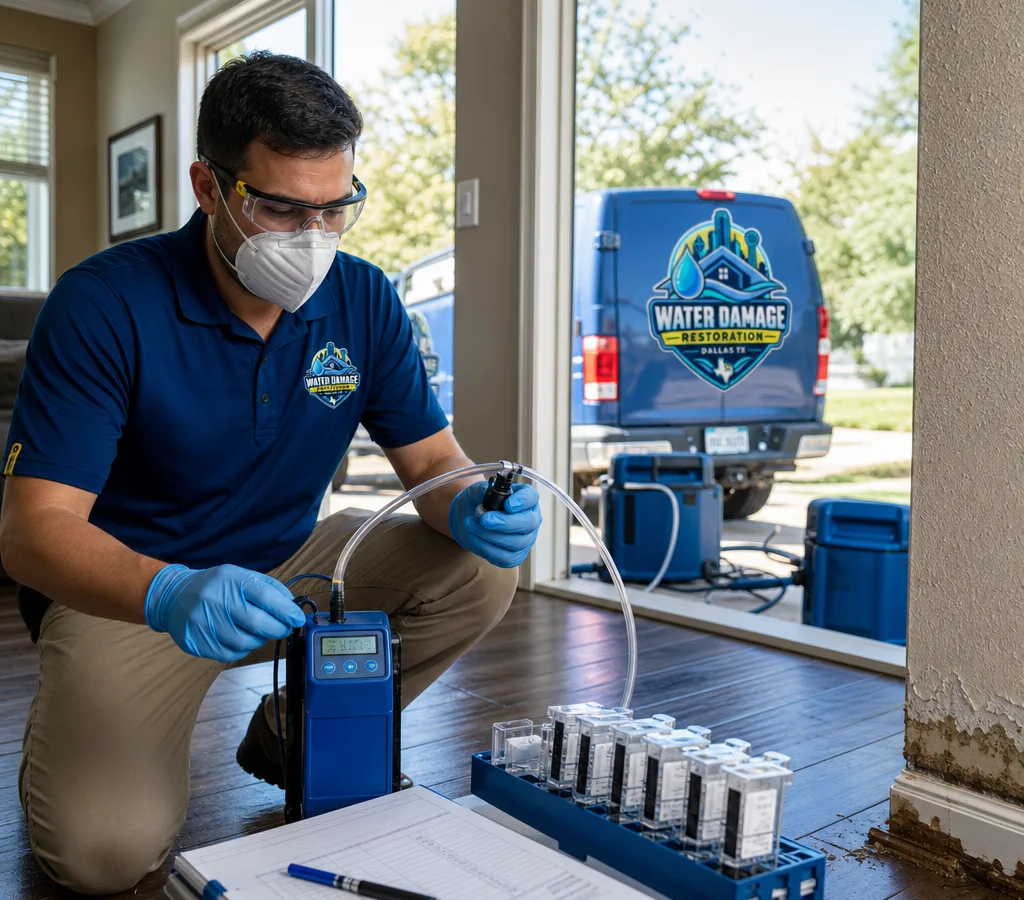
A professional mold inspection and test starts with a targeted visual assessment and moisture checks. We look for likely sources first, because the lab result is only as good as the sampling plan.
Typical mold testing in Dallas includes:
Testing does not fix the moisture source or remove contaminated materials. The report is a decision tool that helps determine whether the concern reflects normal background levels, a localized problem, or a broader moisture issue requiring corrective work. If you also need help after a leak or flood, our team at Water Damage Restoration Dallas can guide you after the results are documented.
Useful Results, Not Guesswork
We base sampling on moisture and airflow, not just the room with the odor. That reduces false reassurance and avoids random sampling that misses the problem.
Your findings come from standardized lab methods and a documented chain of custody, which is useful for landlords, buyers, and property managers.
We explain what the spore types and counts mean in practical terms: likely source areas, urgency, and what to do next.
Mold is a symptom. We pay attention to plumbing leaks, roof intrusions, condensation, and drainage so the plan addresses why it happened.
When a transaction is moving quickly, testing can provide documentation that helps decisions stay on track without relying on assumptions.
Inspect, Sample, Explain
Every sample is tied to a specific concern, inspected location, and practical question about the property.
We start by learning what changed: a recent leak, a storm event, a new odor, or health concerns. Then we decide where sampling is most likely to answer the question you actually have.
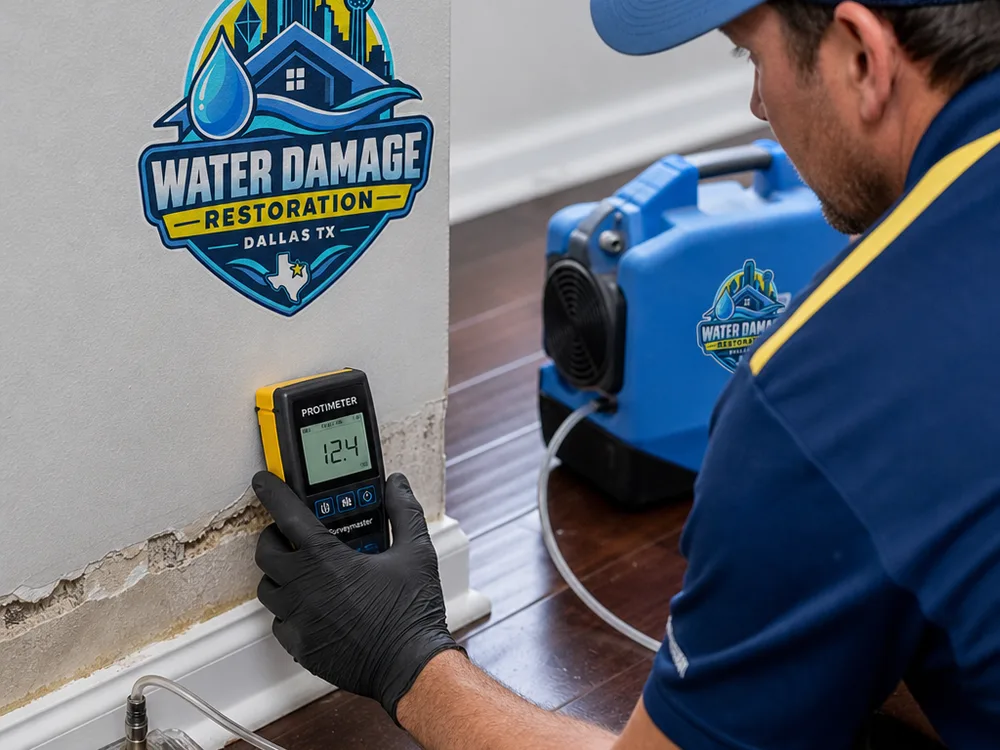
We check the obvious areas and the common hidden ones: under sinks, behind toilets, around tubs and showers, behind appliances, and near the HVAC air handler and condensate drain. Moisture readings help narrow where growth can occur.
Air samples help compare indoor conditions to an outdoor baseline, while surface samples identify what is present on a specific material. We document sample locations so the lab report ties back to real areas in the home.
Samples go to a qualified lab for spore identification and quantification. You receive a written report with results, notes from the inspection, and practical recommendations based on what was found.
If results suggest a moisture-driven issue, we outline options for confirming hidden conditions, such as limited exploratory openings, and what a correction plan would typically include based on the affected materials.
Dallas Testing Cost
Mold testing in Dallas typically ranges from about $300 to $900+, depending on how many samples are needed and whether the concern is a single room or multiple areas. A basic visit often includes an inspection with moisture readings plus a small number of air and/or surface samples, while larger homes or complex situations—multiple floors, HVAC concerns, or several suspect rooms—require additional sampling.
Final price changes with access, including attics, tight closets, and areas behind furniture, as well as the number of samples and whether moisture mapping points to more than one source area. Exact cost is confirmed after the on-site assessment and the sampling plan is set.
Customer Experience
“We had a musty smell after a small leak in the kitchen wall. The inspection showed elevated moisture behind the cabinets and the lab report made it clear it was not just a lingering odor. The explanation of what the results meant was the most helpful part.”
Alicia R.
“We needed documentation before finishing repairs. The sampling was quick, and the report clearly tied each sample to a location so we knew what to open up and what we could leave alone.”
Mark D.
Practical Answers
Testing is most useful once the affected area is accessible and conditions reflect what you are trying to measure, so we typically schedule as soon as practical after the leak is stopped and the space is safe to enter. If materials are still actively wet, we may recommend moisture mapping first and then sampling once readings stabilize, because active drying can change airborne levels.
We use air sampling, surface sampling, or both based on what we see and what you need to document. Air samples help compare indoor spore levels to an outdoor control, while surface samples identify what is on a specific material when there is visible growth or suspicious staining.
Yes, HVAC operation and filtration can influence airborne spore readings, which is why we document system status and sampling locations. In Dallas, long cooling seasons mean many homes run the air conditioner frequently, and that airflow can move spores between rooms or pull humid air into problem areas if there are leaks or drainage issues.
Leave conditions as normal as possible so the sampling reflects real occupancy. Avoid heavy cleaning, painting, or running ozone or fogging products right before testing, and let us know about recent HVAC filter changes, construction, or a dehumidifier that has been running, since those can change what the samples show.
You cannot directly sample hidden growth behind intact drywall without some form of access, but we can often identify high-risk areas using moisture readings, thermal patterns, and the home's history. If the evidence points to a likely hidden issue, we may recommend a limited exploratory opening in a specific spot rather than broad demolition.
A mold test provides a snapshot of conditions for the areas and times sampled, and it is strongest when paired with a moisture-focused inspection. If the moisture source is unresolved, conditions can change quickly, so the best path to a safer home is stopping the water, drying to appropriate moisture levels, and removing contaminated materials when needed.
Document Conditions First
Tell us what happened, where you noticed the issue, and any recent water events. We will recommend a sampling plan that fits the situation and deliver lab-backed results you can use to decide the next step.